
How to Make a Low FODMAP Gluten-Free Flour Mix: Recipe and List of Suitable Flours
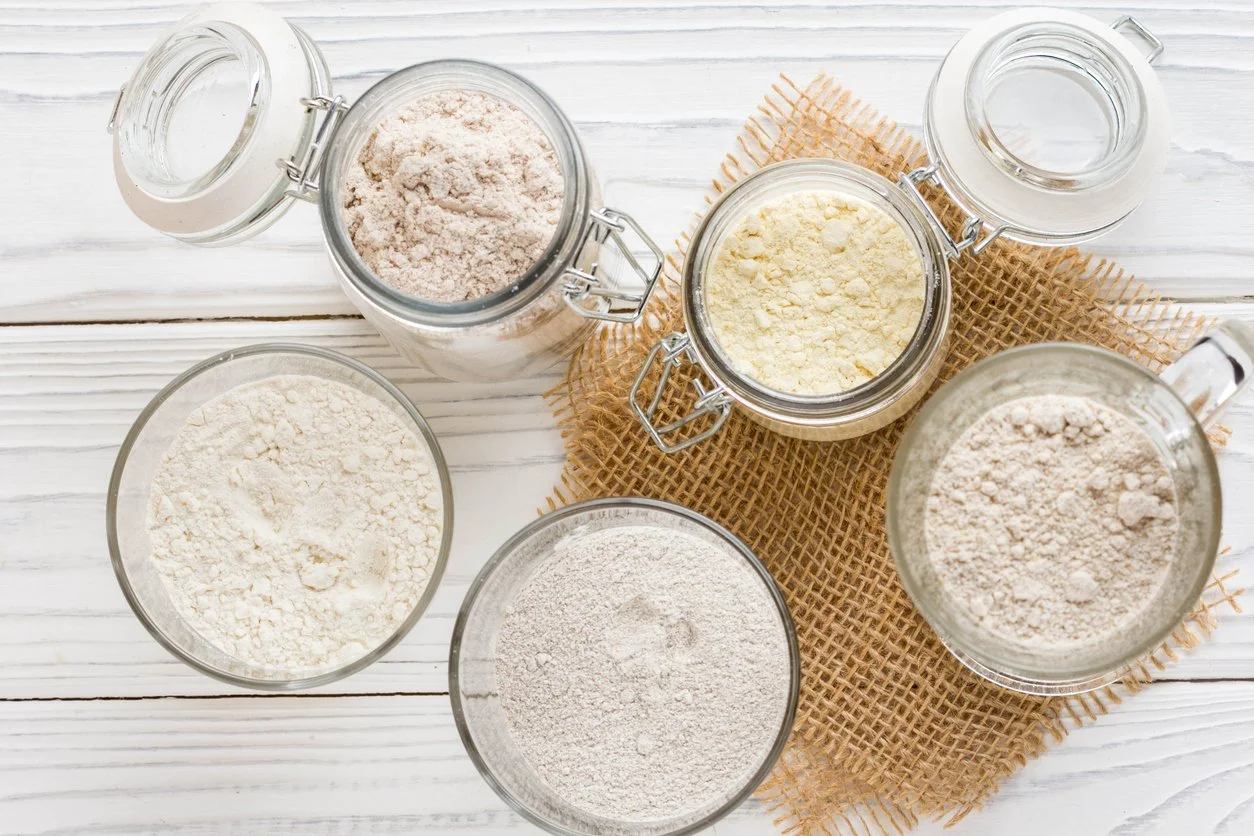
Baking on a restricted diet doesn't have to be confusing! Learn how to make your own DIY low FODMAP gluten-free flour mix at home. We're breaking down the best gut-friendly alternative flours—like rice flour, tapioca starch, and sorghum flour—so you can bake delicious, IBS-safe treats every single time.
Recipe reproduced with permission from Glenda Bishop, a Registered Nutritionist and wellness coach. Recipe reviewed and updated by Hannah Pritchard, a Registered Dietitian and Researcher.
Are you looking for a solution to make a low-FODMAP gluten-free flour mix? It can be confusing to try to find suitable low FODMAP flours, in addition to being gluten-free, but this blog covers everything you need to know about choosing the right low FODMAP and gluten-free flour blend. If you’re following a low FODMAP diet, or want more information about gut health, you can also read about Why does gut health matter? A dietitian's guide + 10 practical tips.
Quick click contents:
Is flour high or low in FODMAPS?
Flour can be high or low in FODMAPs depending on the grain it’s been made from and the amount of FODMAPs that naturally occur within that grain (1). Typically, flours that are high in FOMDAPs are likely to contain fructans or galacto-oligosaccharides (GOS for short). For those following a low FODMAP diet or who are sensitive to these FODMAPs, choosing a low FODMAP flour option is certainly possible.
Which flours are high in FODMAPS?
There are certain types of flours that are high in FODMAPS and would therefore be unsuitable to include in a low FODMAP diet. These include (2):
Amaranth flour
Barley flour
Chestnut flour
Coconut flour
Einkorn (flour)
Emmer (flour)
Legume-based flours:
Lupin flour
Rye flour
Soy flour
Spelt flour (wholegrain)
Wheat flour (white, wholemeal, plain, self-raising)
These flours are high in FODMAPs because the grains/legumes they come from are naturally high in fructans or GOS. Even small amounts can exceed Monash thresholds.
Monash University tests foods, such as flour, and provides guidance on the FODMAP content of each type of flour, based on each FODMAP threshold.
Which flours are low in FODMAPS?
There are many types of flours that are naturally low in FODMAPs and therefore suitable to use in your cooking and baking, whilst following the low FODMAP diet. These include (2):
Buckwheat flour
Cassava flour
Maize/cornmeal flour
Millet flour
Quinoa flour
Rice flour (white + brown)
Sorghum flour
Teff flour
These flours are low in fructans and GOS, as dictated by the Monash University guidance.
Is gluten free flour low FODMAP?
This can be confusing as not all gluten-free flours are low in FODMAPs.
A flour can be gluten-free but still high in FODMAPs if it contains high-FODMAP ingredients like chickpea, soy, lupin, amaranth, or inulin (3).
While FODMAPs are types of carbohydrates, gluten is actually a type of protein (not a FODMAP) so there are differences that you need to watch out for (3)!
For example, soy flour, lupin flour, fava bean flour and coconut flour may be classed as gluten-free, but contain high amounts of fructans or GOS, so wouldn’t be a suitable choice when following the low FODMAP diet.
Fear not, there are several gluten-free flours that are also low in FODMAPs when consumed in normal serving sizes.
These include buckwheat flour, cassava flour, maize/cornmeal flour, millet flour, rice flour and teff flour. These are low in fermentable carbohydrates including fructans and GOS (2).
You may be following a gluten-free diet for a variety of reasons, including coeliac disease, non-coeliac gluten sensitivity (NCGS), wheat allergy, or because reducing wheat-based foods helps manage symptoms associated with fructan intolerance or other FODMAP sensitivities (4,5,6). It is important to discuss this with your dietitian before cutting gluten out. We’ve also written a blog on Gluten Intolerance Symptoms: Is it Gluten or FODMAPs?
A gluten-free flour blend is only low FODMAP if all the ingredients are low FODMAP. Checking the ingredients list is essential. This means that even if something is labelled as gluten-free, it doesn’t necessarily mean that it’s low FODMAP.
What is a safe gluten free flour?
As a general rule, using only one type of gluten-free flour for baking doesn’t produce particularly good results. That’s why commercially available gluten-free flour mixes combine several types of flours into a single blend.
So long as you check the ingredients carefully, you can find reliable gluten-free flour mixes in the supermarket that are low FODMAP. Just make sure they don’t contain besan, lupin, soy or amaranth.
Or why not make your own suitable low FODMAP, gluten-free flour blend?
Low FODMAP gluten-free flour blend recipe
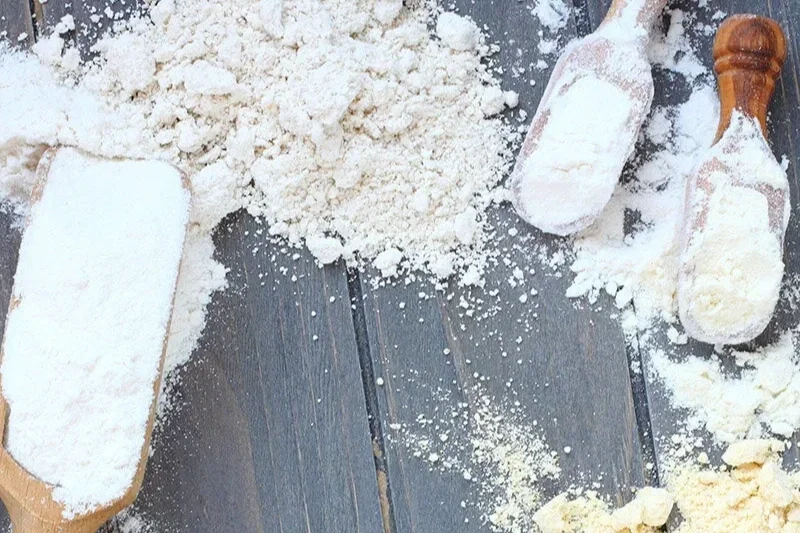
My blend of flours is as close to wholemeal as I’ve been able to get it, while still maintaining lightness in the end-product. My gluten-free low FODMAP flour blend contains 7 different flours. I’ve decided to call it ‘Blend 7’ since it’s got seven flours. The only catch is that you don’t want to weigh out 7 different flours every time you want to cook. But that’s okay because there’s a simple solution… make up a big batch so that you can use the blend as an all-purpose flour. I make 1kg at a time and then store it in a container in the pantry.
‘BLEND 7’ ALL PURPOSE LOW FODMAP GLUTEN-FREE FLOUR MIX
Makes: 1kg of ‘all purpose’ gluten-free low FODMAP flour mix
Prep time: 20 mins
Serving size: depends on the recipe that you use it in, however up to 100g flour per serving would be low FODMAP.
Special equipment: none required.
Ingredients:
· 200g millet flour
· 200g sorghum flour
· 100g brown rice flour
· 100g buckwheat flour
· 150g potato starch
· 150g white rice flour
· 100g tapioca flour/starch (or arrowroot flour)
Instructions:
1. Grab a very large bowl – at least 3 litres in volume – and a sieve. I like to place the bowl on a set of electronic scales and put the sieve over the bowl so that I can weigh each flour directly into the sieve one after the other.
The easiest way to do this is to line up the 7 flours on the bench in order and work your way down the list one by one.
2. Then use a large balloon whisk to whisk the flours together for at least 2 minutes. It’s absolutely essential that the flours are thoroughly mixed and evenly dispersed.
Note: this will stir up some flour dust that will settle on the bench and floor, so be careful in case your floor gets slippery.
3. Transfer to a well-sealed container for storage.
To use the gluten-free low FODMAP flour blend:
When using this gluten-free low FODMAP flour blend for baked goods such as muffins, waffles, cakes, biscuits and pancakes, I’ve found that for every “1 cup of flour” that a standard recipe calls for, I need to use 140g of this flour blend, which is basically 1 cup.
This blend can be used to make plenty of low FODMAP snacks, in baking or in cooking savoury dishes.
If you fancy mixing things up, in addition to trying this gluten-free low FODMAP flour, you may also wish to try our Tropical Low FODMAP Porridge or our Easy Low FODMAP Tomato Soup.
A note about gums:
To make this flour blend work properly in baking, a gum needs to be added. That’s because gluten-free flours don’t hold together as well as wheat flour, since gluten is a natural gumming agent.
But that’s not a problem because there are lots of gums that are readily available. Note that if you purchase a commercially available gluten-free flour mix, there is usually some sort of gum added to the flour already.
I don’t add gum to the flour blend though. Instead I prefer to add the gum, and any raising agents (e.g. baking powder), when making the actual recipe. That’s because the flour can be used during cooking as well as in baking and so doesn’t always need a gum.
As a general rule though, when baking I add:
· ½ tsp guar gum for every ‘cup’ of flour, regardless of whether the recipe calls for plain (all-purpose) or self-raising flour.
· 1 tsp of gluten-free baking powder for every ‘cup’ of flour, if the recipe calls for self-raising flour.
Ingredient notes*
All of the flours and starches included in this mix are low FODMAP at a serving of 100g, which is much higher than most recipes that use the blend would use per serving.
All of the flours and starches are gluten-free, making it suitable for a gluten-free diet.
All of these flours and starches can be purchased from health food stores, although many are now also available in the health food aisle of the supermarket.
Based on current data obtained from the Monash University Low FODMAP Diet app, which regularly gets updated.
Summary - how to make a low FODMAP gluten-free flour mix
You can find flours that are high in FODMAPs and low in FODMAPs, as it depends on the original grains used to make the flour. Checking the ingredients will help you.
Not all gluten-free flours are automatically low in FODMAPs, so choosing a suitable flour blend that is both gluten-free and low FODMAP can be a challenge, but certainly possible.
My ‘Blend 7’ recipe is both low in FODMAPs and gluten-free, making it a suitable flour blend to use when following either a low FODMAP diet or gluten-free diet.
Interested in personalised support for your gut health?
Consulting a dietitian can help you identify your unique food triggers and create a plan that supports your long-term digestive health. You can contact the Balanced Nutrition Co team or book a consultation with one of our dietitians for individual support.
Article written by Hannah Pritchard, Registered Dietitian - BSci (Hons), RD
Hannah is a HCPC Registered Dietitian based in the UK, specialising in gastroenterology and the low FODMAP diet. She has extensive experience helping patients manage IBS, coeliac disease and non-coeliac gluten sensitivity. Hannah is passionate about translating complex nutritional science into practical, everyday strategies to help her patients find long-term digestive comfort.
Expert Support in the UK & Australia: Balanced Nutrition Co provides specialist gut health support. Whether you are looking for an HCPC Registered Dietitian in the UK or an Accredited Practising Dietitian in Australia, our team offers online consultations to help you find relief from digestive discomfort.