
This blog was originally written by Rachel Eagleton, a Registered Nutritionist and reviewed and updated by Hannah Pritchard, a Specialist Dietitian and Researcher.
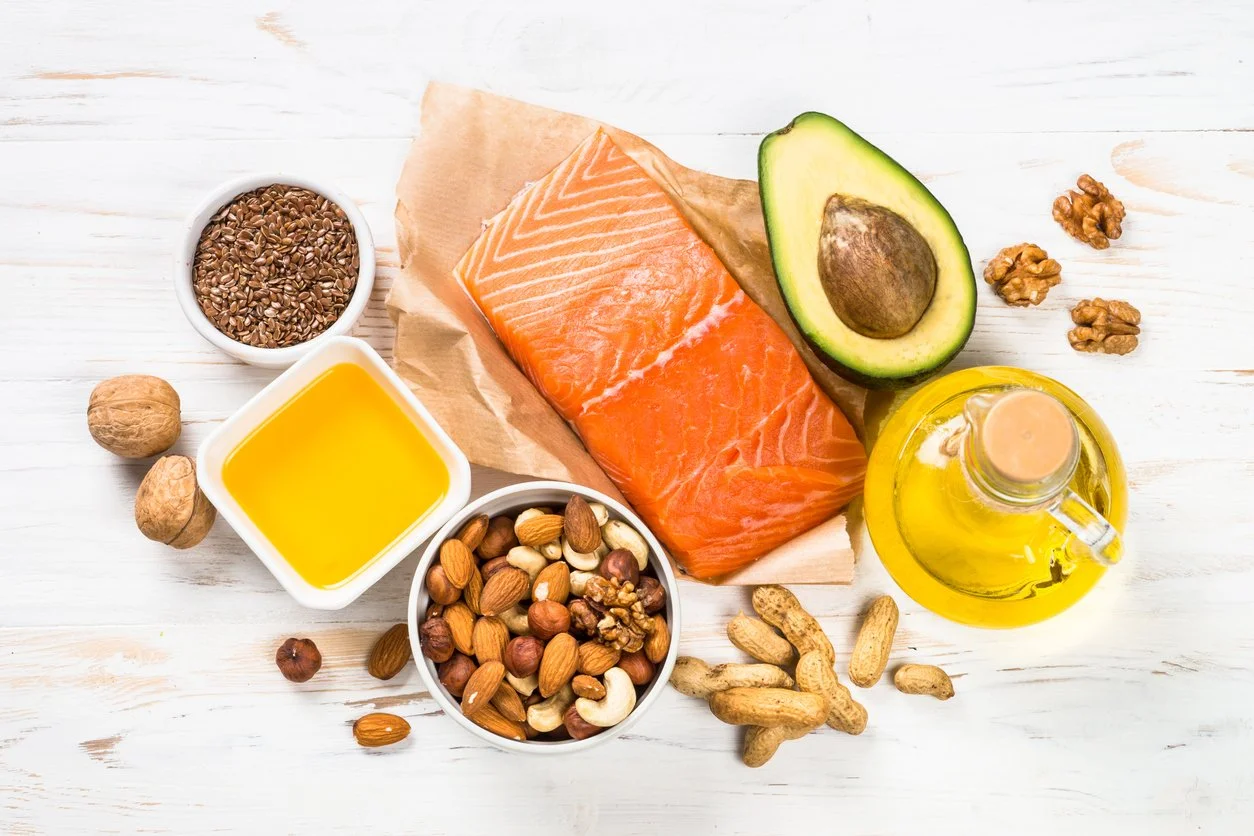
Can simple changes to your diet help support your mood and brain health?
Around 1 in 6 adults experience a common mental health problem, such as anxiety or depression, in any given week (1). While mental health is influenced by many factors, including genetics, life experiences and lifestyle, growing evidence suggests that what we eat can also play an important role in supporting both our mood and brain health (2).
Although there’s no single food that can prevent or treat mental health conditions, following a balanced, nutrient-rich diet can help support long-term brain health alongside sleep, physical activity, stress management and social connection.
One nutrient that has received significant attention is omega-3. This blog will outline more about omega-3 and how you can add this to your weekly meals!
Quick Click Contents:
· 5 simple ways to eat more omega-3
· Simple swaps to boost your omega-3 intake
· Is there a link between brain health and gut health?
· Food, mood and brain health - summary
Why is Omega-3 Important?
The brain is one of the fattiest organs in the body, with around 60% of its dry weight being fat. Docosahexaenoic acid (DHA) is a major part of brain cell membranes, helping brain cells communicate effectively (3). Another omega-3 fatty acid, eicosapentaenoic acid (EPA), is involved in signaling pathways and may help regulate inflammation. Together, DHA and EPA support healthy brain function throughout life (3).
Research shows that people who eat foods such as vegetables, fruit, wholegrains, legumes, nuts, seeds, olive oil and oily fish (like the Mediterranean diet) tend to have better mental well-being and a lower risk of depression (2). Furthermore, this study highlighted that more fruit and veg, and less processed food intake can also reduce the risk of depression.
This isn’t just observational research. In the landmark SMILES trial, adults with major depression who received personalised dietary support experienced significant improvements in depression symptoms compared with those receiving social support alone (4).
Similar findings were reported in the HELFIMED trial, in which a Mediterranean-style diet combined with fish oil supplementation improved diet quality and was associated with lower depression scores (5).
Together, these studies reinforce the idea that it is the overall quality of the diet, rather than any individual nutrient, that appears to have the greatest influence on mental well-being. Brain health relies on a combination of nutrients rather than any single “super nutrient” (2). Omega-3 is one of these components that may help contribute to your brain health.
But note…..
We are not saying eating well will solve your mental health issues. We are saying it is likely to reduce your risk of developing depression, but there are other lifestyle factors, like exercise and social interaction which are also important in maintaining good mental health too. Check in with your GP if you feel unwell, not only for physical health, but also for mental health reasons.
5 simple ways to eat more omega-3
1. Swap tinned tuna for tinned salmon, mackerel or sardines
While tuna is a good choice of lean protein, salmon, mackerel and sardines naturally provides higher amounts of the long-chain omega-3 fats EPA and DHA, making it a good source for supporting both brain and heart health (6).
2. Include oily fish every week
The NHS and British Heart Foundation as well as the Australian Heart Foundation recommend eating at least one portion of oily fish each week as part of a healthy, balanced diet, which may help to increase your intake of beneficial omega-3 fats and supports heart health (6,7).
Good sources of EPA and DHA include (6):
· Salmon
· Sardines
· Mackerel
· Herring
· Trout
3. Add plant-based omega-3 to everyday meals
Plant foods provide alpha-linolenic acid (ALA), another type of omega-3. However, only a small amount is converted, so oily fish remains the richest source of long-chain omega-3 (6).
Good plant sources of ALA include (6):
· Walnuts
· Chia seeds
· Ground flaxseed (linseed/LSA)
· Hemp seeds
These foods are easy to include in your everyday meals:
· Sprinkle chia seeds, ground flaxseed or walnuts over our Tropical Low FODMAP Porridge.
· Add walnuts or chia seeds to our Low FODMAP Banana Bread Waffles for an easy omega-3 boost.
· Walnuts are also part of our Low FODMAP Roasted Macadamia, Walnut and Maple Butter and our Toasted Muesli providing healthy unsaturated fats alongside plant-based omega-3 as well.
· Explore more nourishing meal ideas in our Balanced Nutrition Recipes collection.
Simple swaps to boost your omega-3 intake
Supporting your brain health doesn’t have to mean making big changes. Small, sustainable swaps can make a real difference over time.
For example, simple swaps may include:
· Instead of tinned tuna, try tinned salmon. Or why not give sardines or mackerel a try!
· Swap plain porridge for porridge or cereal with walnuts and seeds.
· Instead of peanut butter, consider walnut or flaxseed butter.
· Rather than a plain or fruit yoghurt, try adding chia seeds and berries on top of your Greek yoghurt.
4. Should I take an omega-3 supplement - think food first
This is one of the most common questions dietitians are asked: should I take an omega-3 supplement?
Research suggests that omega-3 supplements may provide a small improvement in depressive symptoms for some adults with depression. But, current evidence does not support omega-3 supplements as a replacement for evidence-based treatments for depression (7,8). Instead, they may be considered alongside standard medical and psychological care where appropriate and following advice from a healthcare professional (8).
For most people, a food-first approach remains the best place to start. Eating oily fish regularly, alongside a varied, balanced diet, provides omega-3 fatty acids, protein, vitamin D, selenium, and many other nutrients that work together to support overall health (6,7).
5. Focus on your overall eating pattern
Supporting your brain isn’t about finding a single “superfood”. Instead, it’s your overall eating pattern that matters most. Choosing more minimally processed foods, eating plenty of vegetables, fruit, wholegrains, legumes, nuts and seeds, including healthy fats and regularly enjoying omega-3-rich foods are all simple steps that may benefit both your physical and mental wellbeing (2).
Is there a link between brain health and gut health
Emerging research also highlights the close relationship between the gut and the brain, often referred to as the gut-brain axis (9). Learn more in our guide: Why Does Gut Health Matter? A Dietitian’s Guide + 10 Practical Tips.
If you’d like personalised support from one of our specialist dietitians with a focus on brain health or gut health, you can contact us today, we’re here to help you nourish both your body and your mind.
Frequently asked questions
Can food improve your mood?
While food isn't the only way to boost your mood, research suggests that eating a balanced diet rich in whole foods may help support mental wellbeing as part of an overall healthy lifestyle (2).
What foods are highest in omega-3?
Oily fish such as salmon, sardines, mackerel, trout and herring are the richest dietary sources of EPA and DHA. Plant foods including walnuts, chia seeds, flaxseed and hemp seeds provide ALA (6).
Should I take an omega-3 supplement?
Most people should aim to get omega-3 from food first. Supplements may benefit some individuals but should be discussed with a healthcare professional (7,8).
Food mood and brain health - summary
Looking after your brain health doesn't have to be complicated. Simple changes, like eating more omega-3-rich foods as part of a balanced diet, can support both your physical and mental wellbeing over time.
If you'd like tailored advice from one of our registered dietitians, you can book your appointment; we’re here to help.
References
1. McManus S, Bebbington P, Jenkins R, Brugha T, editors. Mental health and wellbeing in England: Adult Psychiatric Morbidity Survey 2014. Leeds: NHS Digital; 2016.
2. Firth J, Gangwisch JE, Borsini A, Wootton RE, Mayer EA. Food and mood: how do diet and nutrition affect mental wellbeing? BMJ. 2020;369:m2382.
3. Yurko-Mauro K, McCarthy D, Rom D, Nelson EB, Ryan AS, Blackwell A, et al. Beneficial effects of docosahexaenoic acid on cognition in age-related cognitive decline. Alzheimers Dement. 2010;6(6):456-464.
4. Jacka FN, O’Neil A, Opie R, Itsiopoulos C, Cotton S, Mohebbi M, et al. A randomised controlled trial of dietary improvement for adults with major depression (the SMILES trial). BMC Med. 2017;15:23.
5. Parletta N, Zarnowiecki D, Cho J, Wilson A, Bogomolova S, Villani A, et al. A Mediterranean-style dietary intervention supplemented with fish oil improves diet quality and mental health in people with depression (HELFIMED study): A randomised controlled trial. Nutrients. 2019;11(6):1498.
6. British Heart Foundation. Omega-3 foods for heart health. Available from: https://www.bhf.org.uk/informationsupport/heart-matters-magazine/nutrition/ask-the-expert/omega-3
7. NHS. Eat well. Available from: https://www.nhs.uk/live-well/eat-well/
8. Appleton KM, Sallis HM, Perry R, Ness AR, Churchill R. Omega-3 fatty acids for depression in adults. Cochrane Database Syst Rev. 2021;11(11):CD004692. doi:10.1002/14651858.CD004692.pub5.
9. Verma A, Inslicht SS, Bhargava A. Gut-Brain Axis: Role of Microbiome, Metabolomics, Hormones, and Stress in Mental Health Disorders. Cells. 2024 Aug 27;13(17):1436. doi: 10.3390/cells13171436.